Why Give to Northwest Pilot Project?
How we care for the elderly citizens of Multnomah County is a question that Northwest Pilot Project addresses daily. Our goal is to end homelessness for the low income elderly and ensure every person 55 years and older has a safe and affordable place to call home for as long as they can live independently.
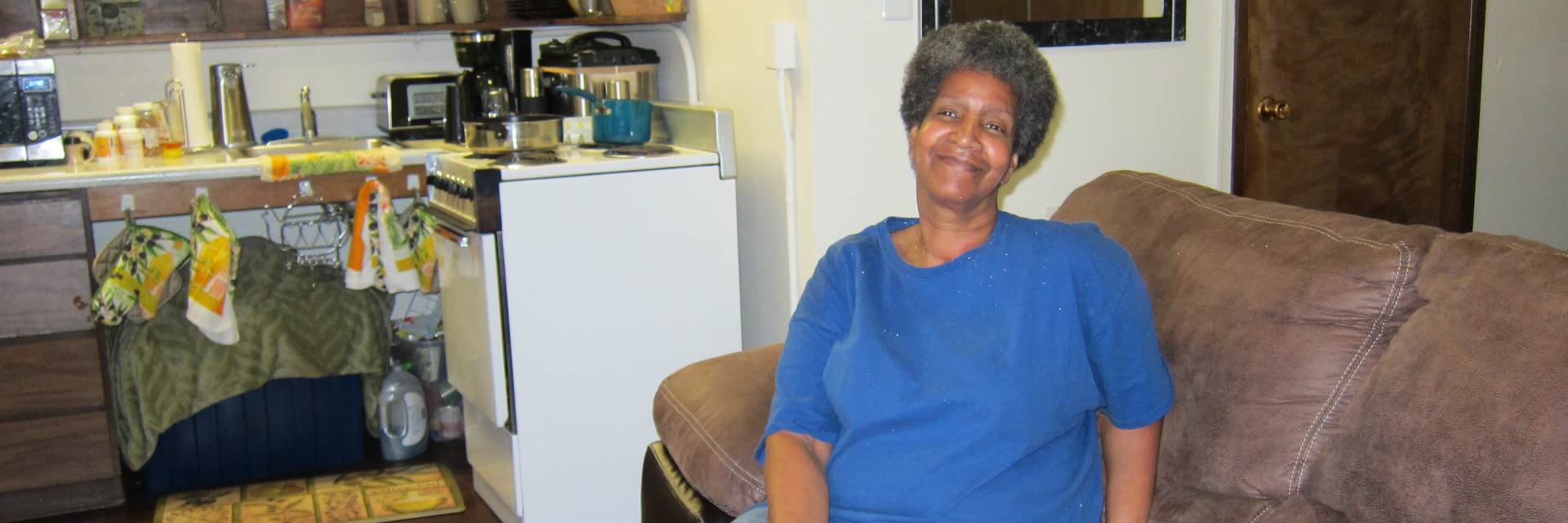
By supporting Northwest Pilot Project you are making an investment in the future by helping us house the elderly and connect them with services that will enable them to age in place. This will reduce the number of homeless elderly accessing hospital emergency rooms, mental health clinics and the already crowded mass shelters. Meet some of the people NWPP has helped.
88% of expended resources go directly to assist the low income elderly.
The population of individuals 65 and older will increase 44% in the next 20 years. Right now there are people in our community who are in desperate need of help. Many seniors who are already on limited incomes have lost their retirement money. Low income seniors are losing their homes to foreclosures, rent increases or gentrification. Homeless seniors are in need of permanent housing, and many people are unable to afford the prescription medications they need.
Many low income seniors are at risk of losing their independence due to mobility problems, isolation, poor nutrition, inability to handle their finances and lack of a family support system. Some are dealing with mental disabilities in addition to the rigors of aging and are often lonely.
NWPP knows our programs work because we measure housing stability of each individual served with follow up contacts. See How We Measure Success. Our evaluation statistics are currently demonstrating 88% of those housed remain housed after 12 months.